
Across Europe’s law enforcement community, ENLETS 3.0 drives coordinated, interoperable solutions—connecting practitioners and turning emerging technologies into operational capability. Within this framework, the Counter-UAS Technology Interest Group (C-UAS TIG) unites specialists to address the growing public-safety impact of unmanned aerial systems, sharing frontline experience and shaping approaches for detecting, assessing and safely mitigating unauthorised drones across diverse environments.
In the coming period, our priority will be collaboration with the COURAGEOUS2 project, which is already developing threat scenarios relevant to law enforcement. Instead of working in parallel, the aim is to align efforts and jointly build a matrix linking identified threats to appropriate response options and technologies, supporting more consistent decision-making in real operations.
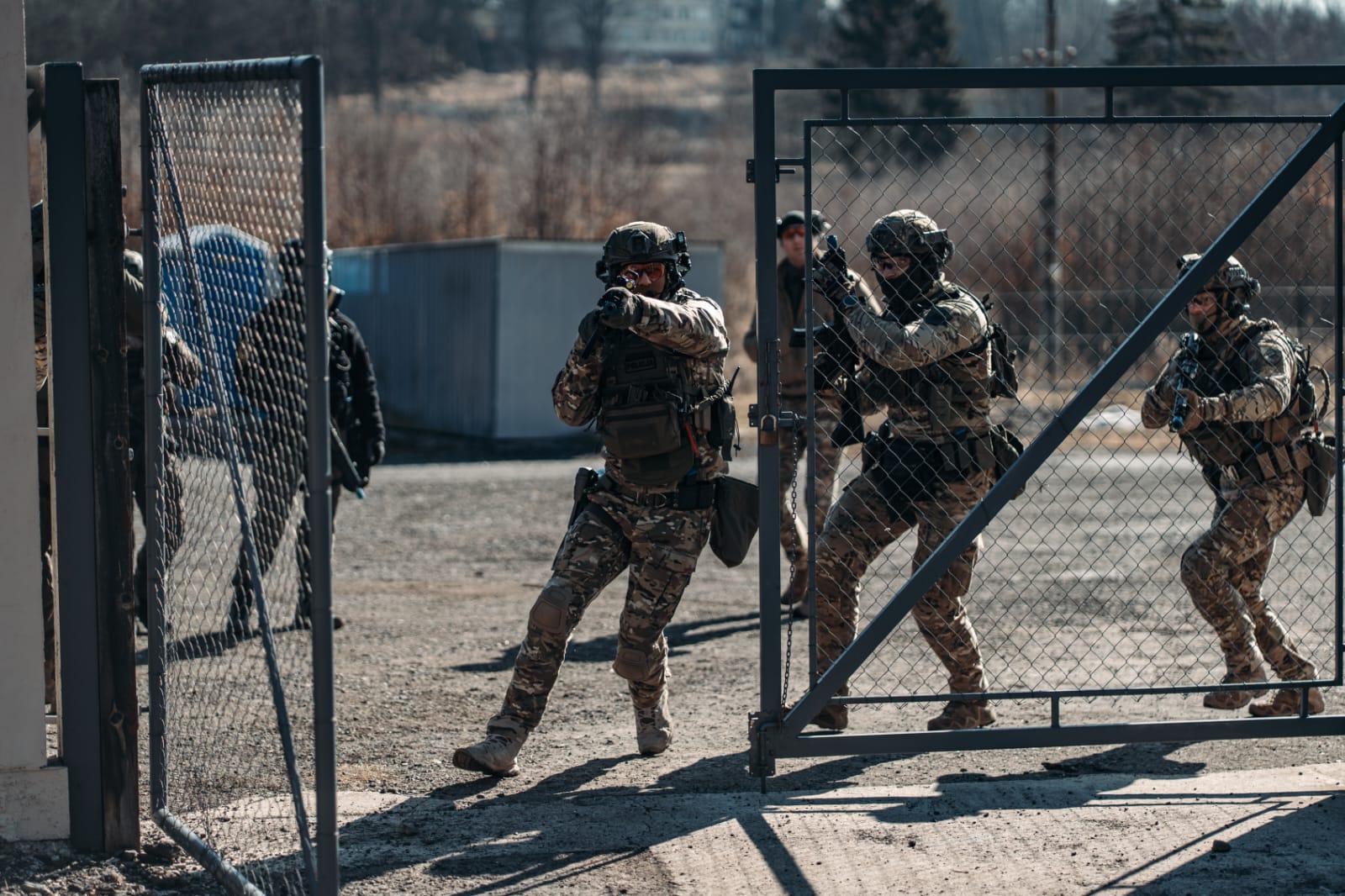
The group will continue with both online and in-person meetings, involving a broader range of companies and possibly the United Nations, which has expressed interest. The in-person sessions are intended to be more practical, with hands-on demonstrations and observation of systems in realistic conditions, ensuring that discussions remain grounded in the operational realities faced by officers.
Standardisation is another key focus. Many European organisations currently rely on NIST testing standards for drone pilot training, which provide clear scoring and comparability. The C-UAS TIG aims to extend a similar structured approach to evaluating counter-UAS systems, helping agencies understand how solutions perform and where they are best applied. At the same time, the group recognises the strategic importance of greater European independence in this field. While NIST standards are openly available and effective, Europe lacks its own equivalent framework, and both Europe and the United States currently depend heavily on Chinese-produced drones due to cost and performance advantages. Moving towards European manufacturing would enhance autonomy, but it would also imply significantly higher costs that need to be acknowledged and managed.
By developing shared analytical tools, promoting practical testing and supporting more consistent evaluation methods, the C-UAS TIG contributes to a more coherent and informed approach to counter-UAS work across Europe. The focus remains on solutions that are operationally realistic, scalable and grounded in the needs of practitioners.
Are you a law enforcement practitioner working in this field and keen to collaborate with peers across Europe to strengthen our collective security? Get in touch to learn how you can join the ENLETS network and contribute your expertise.